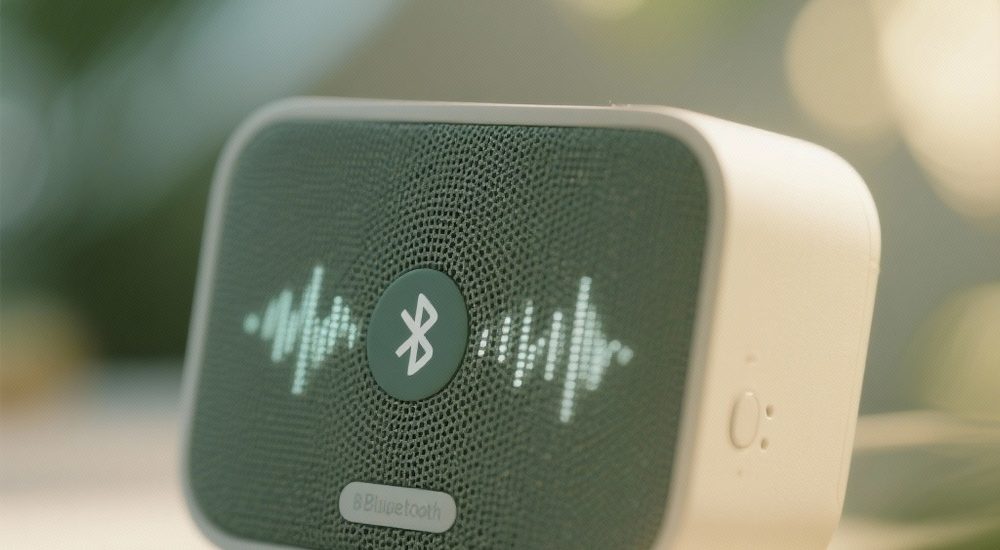
Bluetooth technology has evolved significantly since it was first introduced, with each new version enhancing connectivity to meet modern demands. Bluetooth 5.0, released in 2016, brought substantial improvements such as extended range, faster data transfer speeds, and better broadcasting capabilities, setting the stage for a new era of wireless communication. This version allowed for stronger connections across various devices, catering to the expanding digital ecosystem.
In response to the increasing need for efficiency, security, and reliability, Bluetooth 5.3 was launched in 2021. This version was built on the strengths of Bluetooth 5.0 and introduced several new features, including enhanced power management, improved channel classification, and advanced security protocols. These upgrades are aimed at optimising performance in more complex environments, reflecting the ongoing evolution of consumer and industry needs.
The shift from Bluetooth 5.0 to 5.3 is more than just a series of minor updates; it signifies a strategic adaptation to the changing landscape of technology. Understanding this progression helps stakeholders recognize the importance of each version and make informed decisions about which Bluetooth technology aligns best with their specific requirements.
Connectivity Power of Bluetooth 5.3
Bluetooth 5.3 marks a significant advancement in wireless technology, building on the foundation of Bluetooth 5.0. One of its standout features is improved connection subrating, which enhances the efficiency of switching between active and low-power states. This is particularly advantageous for battery-operated devices like fitness trackers and smartwatches, as it helps extend battery life while maintaining performance.
Another important enhancement is the optimization of periodic advertising. With this update, devices can filter and process only the relevant advertising packets, reducing unnecessary processing and boosting overall power efficiency. This is crucial in environments crowded with Bluetooth devices, where minimising interference and conserving energy is essential.
Additionally, Bluetooth 5.3 introduces advanced channel classification, allowing devices to dynamically evaluate and choose the best communication channels. This feature helps reduce interference from other wireless technologies, such as Wi-Fi, leading to more reliable connections. By tackling the challenges posed by congested wireless environments, Bluetooth 5.3 offers a more stable and efficient user experience, making it a great fit for next-generation consumer electronics and IoT applications. The advancements in Bluetooth technology have notably contributed to the performance of devices like AirPods.
Speed & Power Consumption
When comparing Bluetooth 5.0 and 5.3, it is essential to examine their performance in terms of speed, range, and power consumption. Both versions offer a maximum data transfer speed of 2 Mbps, which is a substantial improvement over earlier iterations. However, Bluetooth 5.3 improve effective data transfer rates through improved channel utilization and connection stability, reducing retransmissions and interference in real-world scenarios.
In terms of range, both Bluetooth 5.0 and 5.3 support a theoretical maximum of 200 meters in ideal conditions. While this range is impressive, actual performance may vary depending on environmental factors such as obstacles and electromagnetic interference. Bluetooth 5.3 addresses these challenges by incorporating adaptive frequency hopping and enhanced interference mitigation, enabling more reliable connections over longer distances.
Power consumption is another critical area where Bluetooth 5.3 outshines it’s predecessor. While Bluetooth 5.0 introduced Low Energy (LE) features to optimise battery life, Bluetooth 5.3 takes this a step further with LE Power Control and periodic advertising upgrades. These features dynamically adjust transmission power and reduce unnecessary data processing, extending battery life for a wide range of devices, from wearables to industrial sensors.
Technology Advancements

Bluetooth 5.3 brings notable improvements over Bluetooth 5.2, particularly in efficiency and connectivity management. One of the standout features is Channel Classification, which helps devices avoid interference by identifying congested channels. This means that connections can be more stable and reliable. Another key advancement is Connection Subrating, which allows devices to conserve power by maintaining connections without the need for constant communication. Overall, these enhancements aim to improve device compatibility, boost connection reliability, and extend battery life for connected devices.
Improvements of Bluetooth 5.3
Bluetooth 5.3 introduces several enhancements to the existing Bluetooth 5 standard, focusing on efficiency and user experience. One of the standout features is the support for Periodic Advertising Enhancement, which streamlines data transmission by allowing devices to eliminate duplicate data instantly. This improvement is particularly beneficial in crowded environments, like stadiums or shopping malls, where multiple Bluetooth Low-Energy devices operate simultaneously, leading to better discovery and tracking while saving energy. Another key update is the enhancement in encryption key size control. Users can now choose between longer keys for better security or faster encryption algorithms, depending on their needs. This flexibility reduces unnecessary communication between devices regarding key size, making the process more efficient.